
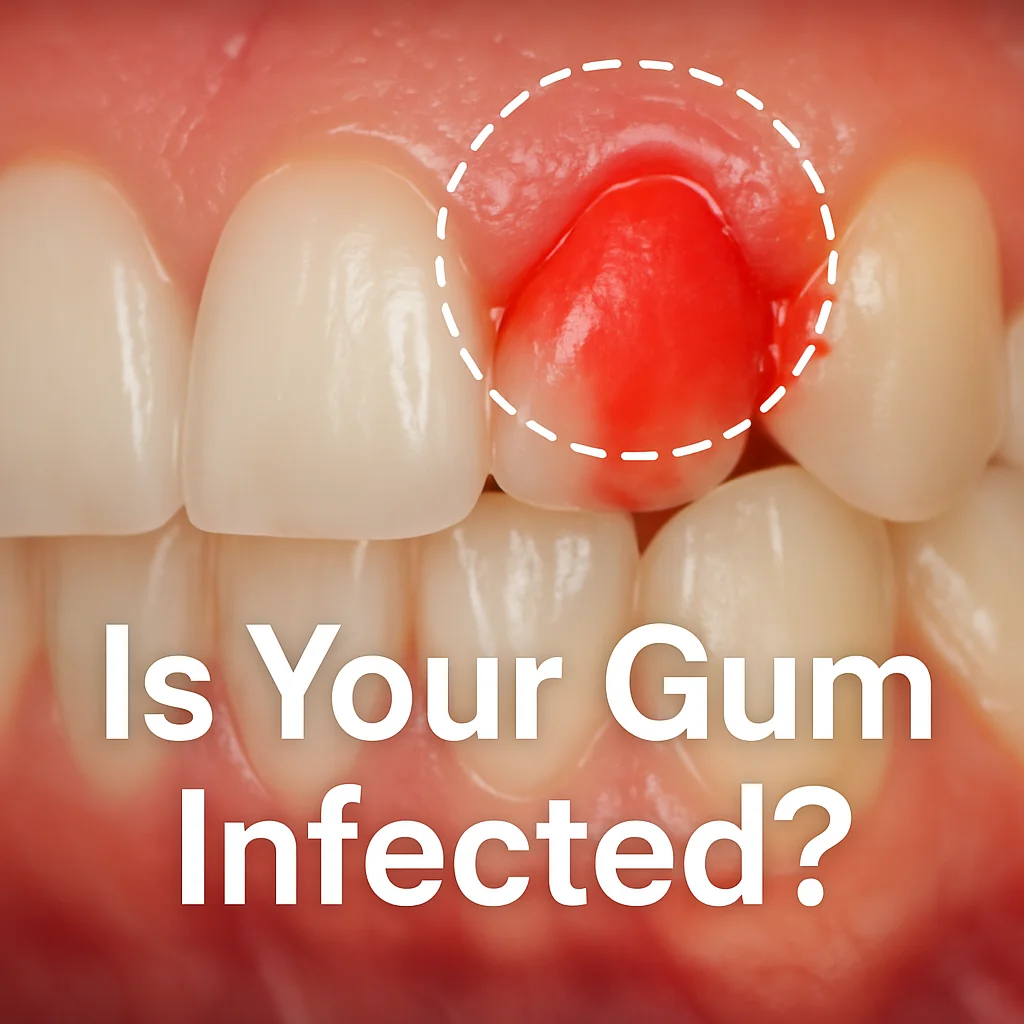
A gum infection (periodontal infection) happens when bacteria around the teeth damage gum tissue and sometimes bone. If you’re wondering how to know if gum is infected near Springfield, Missouri, the quick answer is: look for persistent bleeding, swelling, pain, pus, bad breath, recession, or loose teeth. Early detection matters because treating infection sooner prevents bone loss, tooth loss, and systemic health risks. This guide shows the top warning signs, common causes, when to seek urgent care, how a periodontist diagnoses infections, treatment options, prevention tips, and how to get help locally.
How to Know If Gum Is Infected Near Springfield, Missouri: Top 7 Warning Signs
Bleeding gums
Bleeding when you brush or floss is a common early sign. If bleeding is frequent or occurs with minimal provocation, it may indicate infection rather than minor irritation.
Redness and swelling
Healthy gums are usually pink and firm. Red, puffy, or shiny gums can mean inflammation from infection and should not be ignored.
Persistent gum pain or tenderness
Soreness that doesn’t go away or increases over days is a sign of active infection or abscess formation requiring professional care.
Pus or drainage from the gum
Any pus or a bad-tasting discharge near a tooth is a strong indicator of infection and usually means bacteria have formed an abscess.
Bad breath that won’t go away
Chronic bad breath (halitosis) despite good home care can be a sign of gum infection feeding off trapped bacteria.
Gum recession or roots showing
If gums are pulling away from teeth and roots become visible, infection and bone loss may be present and need evaluation.
Loose or shifting teeth
Teeth that feel loose or change position suggest the supporting bone is weakening from infection — see a specialist promptly.
Common Causes That Lead To Infected Gums
Plaque and tartar buildup
Bacteria in plaque harden into tartar, which irritates gums and creates pockets where infection grows.
Poor oral hygiene and missed cleanings
Skipping daily flossing or routine dental cleanings allows bacteria to accumulate and cause disease.
Smoking, certain medications, and systemic disease (like diabetes)
Tobacco, dry-mouth–causing meds, and uncontrolled systemic disease (like diabetes) increase infection risk and slow healing.
Recent dental procedures or trauma
Surgery, extractions, or injury can introduce bacteria or create conditions that lead to infection if not monitored.
When You’re Asking “how to know if gum is infected” Near Springfield, Missouri — Red Flags For Urgent Care
Spreading facial swelling or trouble breathing/swallowing
These signs may mean infection is spreading and require emergency care right away.
High fever, severe uncontrolled pain, or rapid tooth mobility
Fever or sudden major pain with fast tooth movement suggests a severe infection — call your dentist or emergency services.
What to do immediately and when to go to emergency care
If you have breathing difficulty, swelling that changes your airway, or systemic symptoms, seek emergency care. For severe dental pain or swelling without airway compromise, contact a periodontist or dentist immediately.
How A Periodontist Diagnoses Gum Infection
Clinical exam and periodontal probing
A specialist measures pocket depths and checks for bleeding, mobility, and pus to assess disease severity.
Dental X-rays and cone beam imaging for bone loss
Images show bone levels and hidden infection that can’t be seen by eye.
Microbial testing or medical history review if needed
Testing bacteria and reviewing health conditions helps tailor treatment for best outcomes.
Treatment Options For Infected Gums
Non-surgical care: scaling and root planing, antibiotics, enhanced home care
Deep cleaning and targeted antibiotics often control early infections and reduce pocket depth.
Minimally invasive options: LANAP® laser therapy, Chao Pinhole® for recession
Laser and pinhole techniques reduce infection and restore tissue with less discomfort and faster recovery.
Surgical and restorative solutions: guided implant placement, bone grafts, extractions when necessary
Advanced cases may need surgical repair, bone grafts, or tooth replacement to restore function and health.
Comfort measures: IV sedation and pain management
Sedation and pain control can make complex treatment manageable and comfortable.
How To Prevent Gum Infection
Daily brushing, flossing, and interdental cleaning
Consistent home care removes plaque before it hardens.
Regular professional cleanings and checkups
Routine visits catch early disease and prevent progression.
Lifestyle steps: quit smoking, control diabetes, medication review
Addressing systemic risks and tobacco use lowers infection chances and improves healing.
About Dr. Leo A. Tokarczyk — Periodontist Serving Springfield, Missouri
Dr. Leo A. Tokarczyk, DDS is a periodontal and implant specialist serving Springfield, Missouri. He focuses on conservative, minimally invasive care using technologies like Chao Pinhole® Surgical Technique, LANAP® laser therapy, cone beam imaging, guided implant placement, and IV sedation for predictable results.
Looking For Help With “how to know if gum is infected” Near Springfield, Missouri?
If you suspect an infection, schedule an evaluation with a periodontist who works with your general dentist. Call to book an exam — early care prevents complications and restores health with compassionate, advanced treatment.