Perodental disease, often called gum disease, is an infection of the gums and supporting structures around your teeth. It matters because untreated perodental disease can cause pain, tooth loss, and bone damage that affects chewing and your overall health. This short post explains what perodental disease in Springfield, Missouri, common signs, causes and risk factors, how it’s diagnosed, treatment options, prevention, a brief profile of Dr. Leo A. Tokarczyk, and when to seek care.
What Is Perodental Disease?
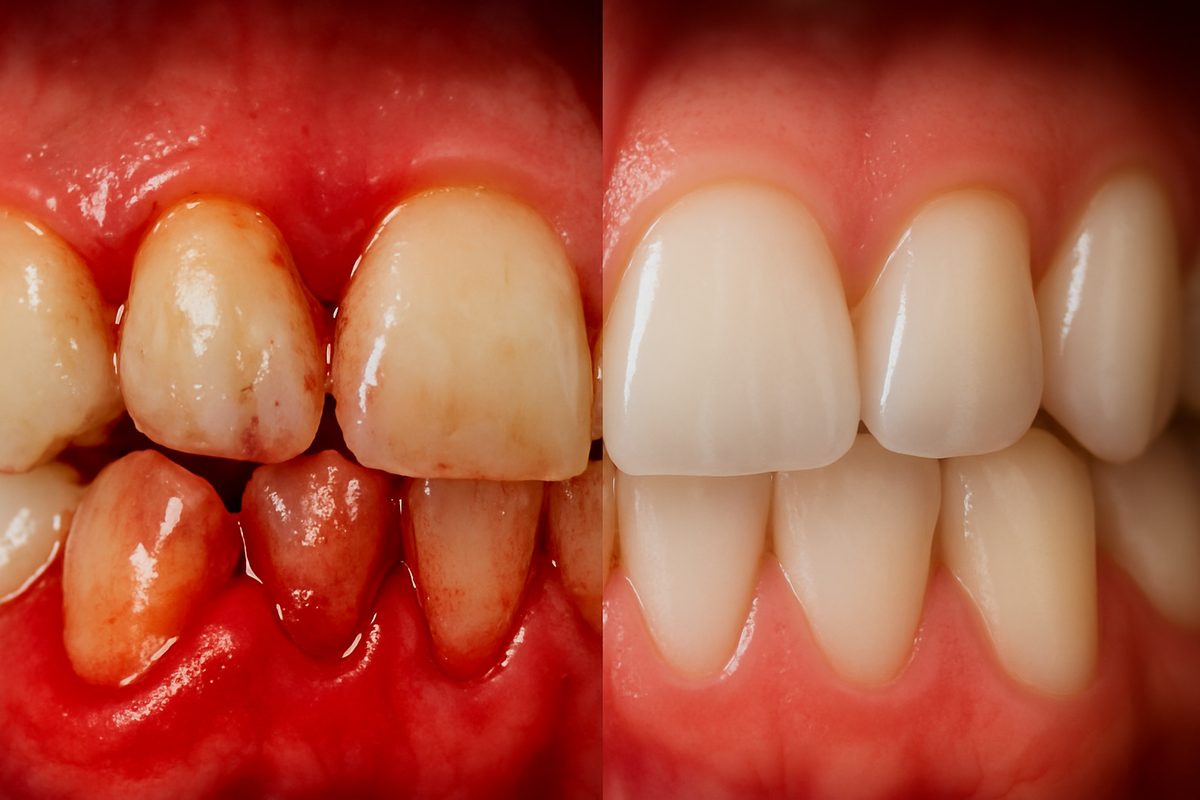
Perodental disease is an umbrella term for gum infections. Early-stage disease (gingivitis) causes gum swelling and bleeding but is reversible. Advanced disease (periodontitis) destroys the tissue and bone that hold teeth in place. Once bone is lost, the condition is harder to reverse and may require specialized care to stop progression and restore oral health.
Common Signs & Symptoms Of Perodental Disease
Early signs
Look for red, swollen, or bleeding gums during brushing or flossing, persistent bad breath, and gum tenderness. These are early signs of perodental disease in Springfield, Missouri and can often be treated effectively with professional cleaning and improved home care.
Advanced signs
Advanced perodental disease in Springfield, Missouri can show as gum recession, loose or shifting teeth, pus around the gums, and changes in your bite. If you notice these signs, prompt evaluation is important to prevent tooth loss.
Causes & Risk Factors For Perodental Disease in Springfield, Missouri
The main cause is bacterial plaque that builds up on teeth. Risk factors include poor oral hygiene, smoking, uncontrolled diabetes, certain medications, genetics, and older age. Local lifestyle factors such as tobacco use and limited access to regular dental care can raise the risk of perodental disease in Springfield, Missouri.
How Perodental Disease Is Diagnosed
Diagnosis starts with a dental exam and periodontal probing to measure pocket depths around teeth. Dental X-rays show bone loss. Advanced imaging like cone beam CT may be used to assess bone volume and plan implants or grafts when needed. Early diagnosis improves outcomes.
Treatment Options For Perodental Disease
Non-surgical care
Non-surgical care for perodental disease includes professional scaling and root planing to remove plaque and tartar below the gumline, targeted antibiotics, and strict home care to control bacteria.
Minimally invasive & surgical care
When needed, minimally invasive options such as LANAP® laser therapy and soft tissue procedures reduce infection with less pain and faster healing. Gum grafting or the Chao Pinhole® technique can correct recession. Flap surgery may be necessary for severe cases.
Tooth replacement when needed
If tooth loss occurs from advanced perodental disease in Springfield, Missouri, bone grafting and guided implant placement restore function and appearance. Digital planning and cone beam imaging improve predictable results. If needed, dental implants can replace missing teeth.
Preventing Perodental Disease
Prevent perodental disease with daily brushing and flossing, regular professional cleanings, smoking cessation, and good diabetes control. Routine periodontal maintenance is key for people with a history of gum disease.
About Dr. Leo A. Tokarczyk, Periodontist
Dr. Leo A. Tokarczyk, DDS is a Springfield, Missouri periodontist who focuses on conservative, minimally invasive care. He offers Chao Pinhole® Surgical Technique, LANAP®, cone beam imaging, guided implants, and IV sedation. Dr. Tokarczyk works closely with referring dentists to tailor treatment plans and prioritize long-term oral health.
When To Seek Care For Perodental Disease in Springfield, Missouri
Seek prompt care if you notice bleeding gums, bad breath that won’t go away, loose teeth, or pus. Early evaluation by a periodontal specialist improves outcomes. If you suspect perodental disease in Springfield, Missouri, book an exam to get a clear diagnosis and a treatment plan.